Environment
Respecting the Rights of Indigenous Peoples as Renewable Energy Grows
Addressing climate change requires that we transition quickly to renewable energy while grounding our efforts in human rights.
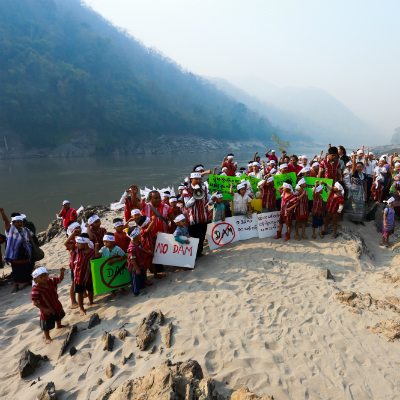
Addressing climate change requires that we transition quickly to renewable energy while grounding our efforts in human rights.
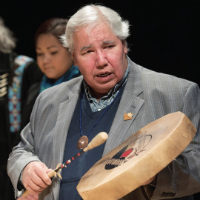
To build a brighter future for Canada, we need to learn from Indigenous communities and develop a new language of mutual understanding.
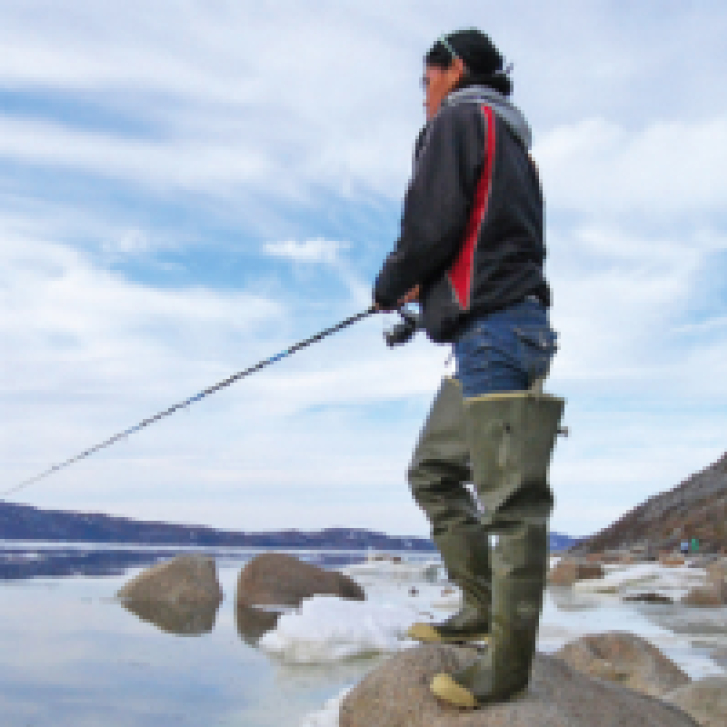
Community-driven solutions are helping both to improve food security and to pass down Inuit knowledge to younger generations.
Indigenous traditions are key to building the relationships, reciprocity, and reconciliation that Canada needs for a strong future.
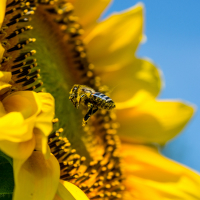
We protect nature. We learn from nature. But we are not collaborating with nature to solve the greatest challenges a human generation has ever faced.

Native American activists in North Dakota build broad support to protect sacred lands from environmental degradation.
Three strategies for ensuring the safety and security of people defending their environment and human rights around the world.
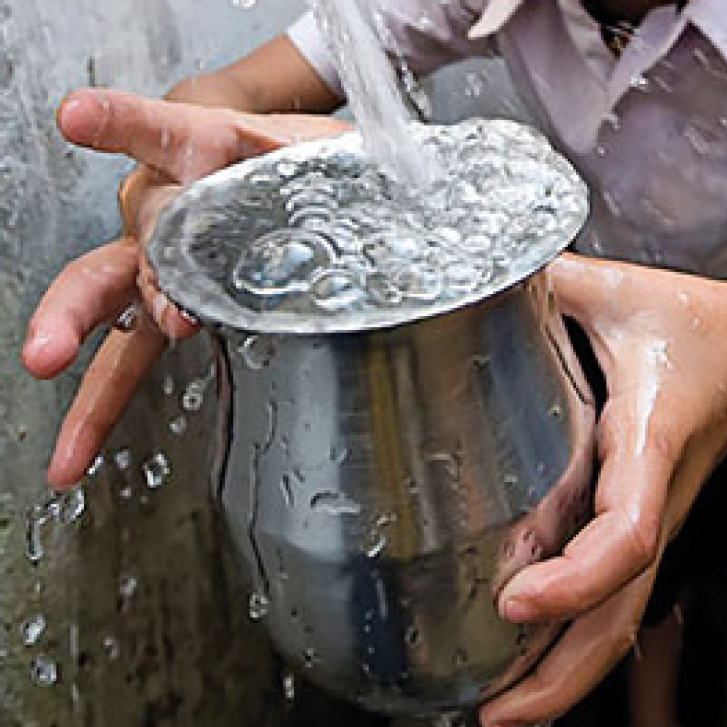
A project undertaken by Indian NGO Gram Vikas shows how efforts to solve a particular social problem can have a far reaching impact on an entire social system.

Meeting today’s growing conservation challenges requires that we find new ways of thinking about and practicing conservation, rooted in solving social problems through scalable methods and prototypes that deliver results.
Existing forests and diverse ecosystems are arguably the world’s most valuable resources. How can we make preserving them worth our while?